Navigating the Labyrinth: Scoring Low-Cost Flights in Europe
Europe is a continent tailor-made for budget travelers. Its compact size, extensive public transportation network, and, crucially, a plethora of low-cost airlines, make it possible to hop between historical capitals, sun-kissed beaches, and snow-capped mountains without breaking the bank. However, finding truly inexpensive flights requires a strategic approach and a willingness to embrace flexibility. This guide will dissect the intricacies of securing low-cost flights in Europe, providing actionable advice and insider tips to maximize your travel budget.
Understanding the Low-Cost Airline Landscape
The European low-cost carrier (LCC) market is dominated by several key players, each with its own strengths and weaknesses. Recognizing these distinctions is crucial for informed decision-making.
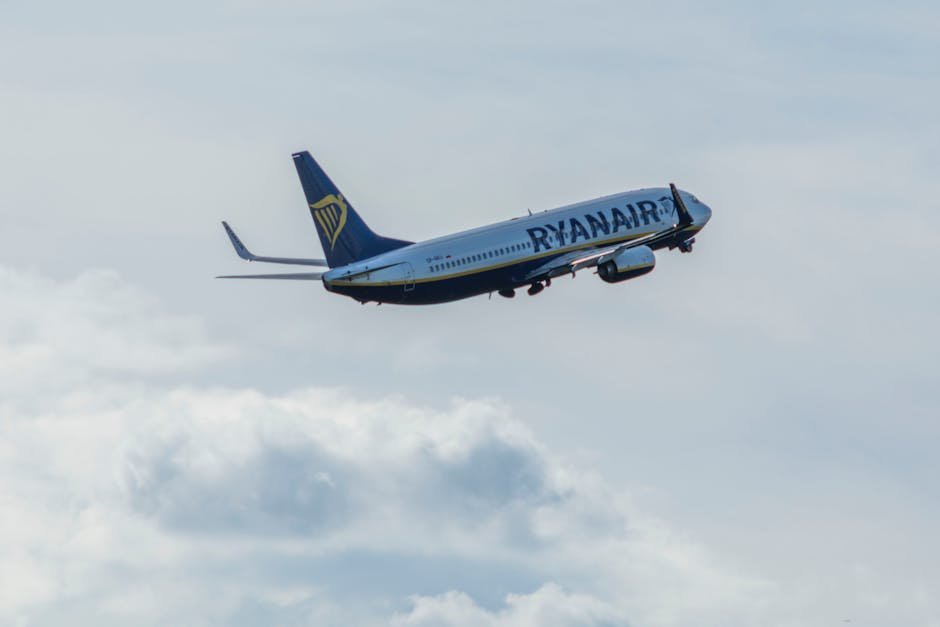
- Ryanair: Arguably the most recognizable name, Ryanair prides itself on its rock-bottom fares. They operate a vast network, primarily connecting smaller, often secondary airports. Expect aggressive pricing strategies, minimal included amenities, and strict baggage policies. Extra charges for everything from seat selection to printing your boarding pass at the airport are common.
- easyJet: A close competitor to Ryanair, easyJet generally offers a more relaxed passenger experience, though fares tend to be slightly higher. They serve a broader range of airports, including many major European hubs. Baggage policies are still restrictive, but generally more lenient than Ryanair’s.
- Wizz Air: Focused primarily on Central and Eastern Europe, Wizz Air offers incredibly competitive fares for travel within and to/from these regions. Their network extends to destinations often overlooked by other LCCs. Like Ryanair, they operate on a highly unbundled pricing model, so scrutinize extra costs carefully.
- Vueling: Primarily serving Spain and connecting to destinations across Europe, Vueling is a popular choice for exploring the Iberian Peninsula and beyond. They offer a slightly more premium experience than Ryanair or Wizz Air, reflected in marginally higher base fares.
- Eurowings: A subsidiary of Lufthansa, Eurowings offers a hybrid model, combining low-cost principles with some traditional airline amenities. They connect a wide range of destinations across Europe and offer long-haul routes. While base fares can be competitive, add-ons can quickly escalate the price.
- Norwegian (ceased short-haul operations within Europe): While Norwegian no longer operates short-haul flights within Europe, it’s important to be aware that routes previously served by them may now be offered by other carriers, potentially influencing market prices.
The Golden Rules of Budget Flight Hunting
Consistently securing the lowest fares hinges on adhering to a set of best practices.
- Flexibility is Your Greatest Asset: Be open to flying on different days of the week, at different times of the day, and even to different airports. Mid-week flights (Tuesday, Wednesday, Thursday) and early morning or late-night flights often yield the best prices. Consider flying to a smaller airport slightly further from your final destination; the savings on the flight may outweigh the cost of onward transportation.
- Embrace the Incognito Mode: Airlines often track your browsing history and may increase fares if they detect repeated searches for the same route. Use incognito mode or a VPN to mask your IP address and prevent this dynamic pricing.
- Book Well in Advance (or Last Minute): The sweet spot for booking low-cost flights is generally several months in advance. However, if you’re flexible, last-minute deals can occasionally emerge, particularly outside peak season.
- Be Aware of Seasonal Fluctuations: Prices soar during peak travel periods like summer holidays, Christmas, and Easter. Shoulder seasons (spring and autumn) offer a better balance of favorable weather and lower fares.
- Sign Up for Airline Newsletters: Stay informed about flash sales, promotional offers, and new route announcements by subscribing to airline newsletters. Many airlines offer exclusive discounts to their email subscribers.
- Utilize Flight Comparison Websites: Websites like Skyscanner, Google Flights, Kayak, and Momondo aggregate flights from various airlines, allowing you to compare prices and find the best deals. Be sure to check multiple websites, as prices can vary.
- Set Price Alerts: Most flight comparison websites offer price alert features. Set alerts for your desired routes and receive notifications when prices drop. This allows you to jump on deals as soon as they become available.
- Consider Connecting Flights: Direct flights are convenient, but often more expensive. Consider opting for connecting flights, even if it means a slightly longer travel time. This can significantly reduce the overall cost of your journey.
- Book Flights Separately: Don’t assume booking a round-trip flight is always the cheapest option. Sometimes, booking two one-way flights with different airlines can result in lower overall costs.
- Check Airport Transfer Costs: While a flight to a smaller, out-of-the-way airport might be cheaper, factor in the cost and time of transferring to your final destination. In some cases, the savings on the flight might be negated by expensive or time-consuming transfers.
Decoding the Hidden Costs
Low-cost airlines excel at unbundling services, meaning many things that are typically included in the price of a traditional airline ticket come with an extra charge. Be vigilant about these potential hidden costs:
- Baggage Fees: Low-cost airlines are notorious for their strict baggage policies and hefty fees for exceeding the permitted weight or size. Pack light, carefully measure your luggage, and consider pre-booking checked baggage online, as it’s usually cheaper than paying at the airport.
- Seat Selection: Choosing your seat typically incurs an extra charge. If you’re not particular about where you sit, skip this option.
- Priority Boarding: While it can be tempting to pay for priority boarding to secure overhead bin space, it’s often unnecessary if you pack efficiently.
- Food and Beverages: Onboard food and beverages are typically overpriced. Bring your own snacks and drinks to avoid these costs.
- Payment Fees: Some airlines charge extra fees for paying with certain credit cards or debit cards. Be aware of these fees and consider using a payment method that doesn’t incur them.
- Check-In Fees: Many low-cost airlines require online check-in and charge a fee for checking in at the airport. Always check in online and print your boarding pass or download it to your mobile device.
- Insurance: While travel insurance is always recommended, don’t automatically purchase the insurance offered by the airline. Compare prices and coverage from independent travel insurance providers.
Alternative Strategies for Budget Travel in Europe
While low-cost airlines are a staple of budget travel in Europe, explore other options to maximize savings:
- Overnight Buses: For longer distances, overnight buses can be a cost-effective alternative to flying. They allow you to save on accommodation costs and arrive at your destination refreshed.
- Trains: Europe boasts an extensive and efficient rail network. While train travel can sometimes be more expensive than flying, it offers a more scenic and comfortable experience, especially for shorter distances. Consider purchasing a Eurail pass if you plan on traveling extensively by train.
- Ride-Sharing: Services like BlaBlaCar connect drivers with passengers traveling to the same destination, allowing you to share the cost of the journey.
- Slow Travel: Embrace a slower pace of travel. Spend more time in fewer destinations, allowing you to explore more deeply and reduce transportation costs. Consider renting an apartment or staying in a guesthouse for longer periods, which can often be more cost-effective than hotels.
By understanding the dynamics of the low-cost airline market, adhering to best practices, and being mindful of hidden costs, you can unlock incredible travel opportunities in Europe without exceeding your budget. Remember, flexibility is key, and a little planning can go a long way.